
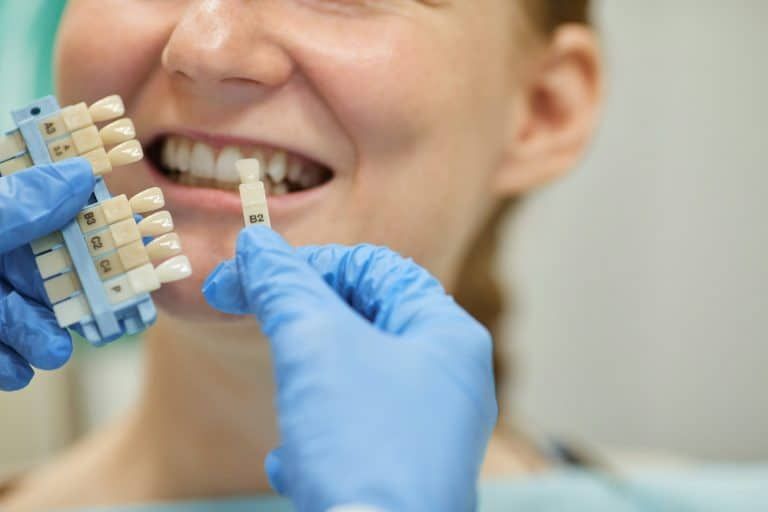
Missing a tooth changes more than your smile. It can affect how you chew, how you talk, and how confident you feel in photos. If you’re weighing your replacement options, cost is probably the first question on your mind. Here’s a clear breakdown of dental implant cost in Twin Falls, what drives the price up […]
The post How Much Do Dental Implants Cost in Twin Falls? appeared first on Smart Mouth Dentalcare.
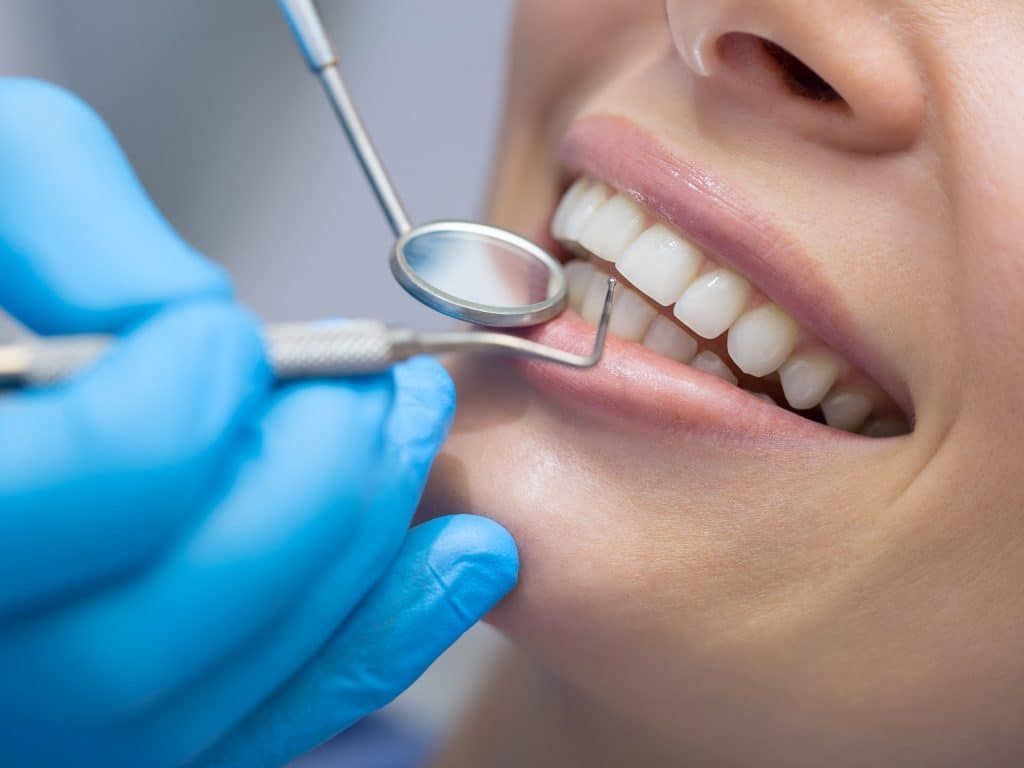
Why Your Mouth Says So Much About Your Body Most people think of dental visits as just about teeth. But your mouth is connected to everything else going on in your body. Gum disease has been linked to heart problems, diabetes complications, and more. If you live in Magic Valley and you’re wondering how much […]
The post How Does Oral Health Affect Overall Health in Magic Valley? appeared first on Smart Mouth Dentalcare.

If you’ve ever wondered whether fluoride actually makes a difference for your teeth, you’re not alone. Many patients in Twin Falls ask us this question every week. The short answer is yes — fluoride in dental health is one of the most well-researched and effective tools we have for preventing cavities and keeping your enamel […]
The post What Is the Role of Fluoride in Dental Health — and Why Does It Matter in Twin Falls? appeared first on Smart Mouth Dentalcare.
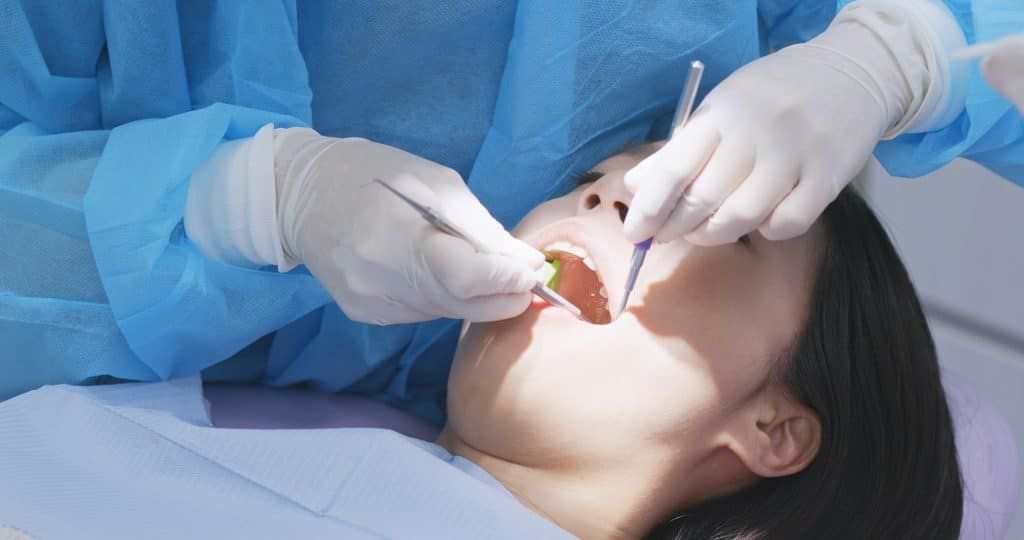
A dental emergency can strike at any moment — while eating dinner, playing with your kids, or even sleeping. When it does, knowing what to do in those first critical minutes can mean the difference between saving and losing a tooth. If you’re in Magic Valley and facing an urgent dental situation, this guide walks […]
The post How Do You Handle Dental Emergencies in Magic Valley? appeared first on Smart Mouth Dentalcare.
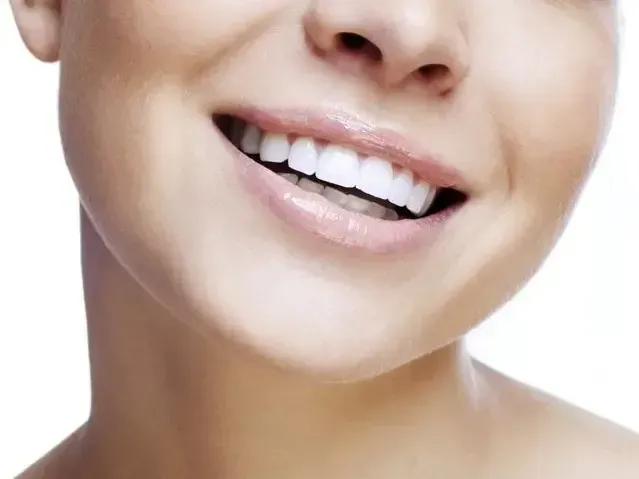
Dental veneers can completely transform your smile — but only if you take care of them. Whether you just got porcelain veneers or you’ve had them for years, the way you maintain them makes a big difference in how long they last. Most veneers can last 10 to 20 years with the right habits. Here’s […]
The post 7 Essential Tips for Caring for Your Dental Veneers in Elko appeared first on Smart Mouth Dentalcare.
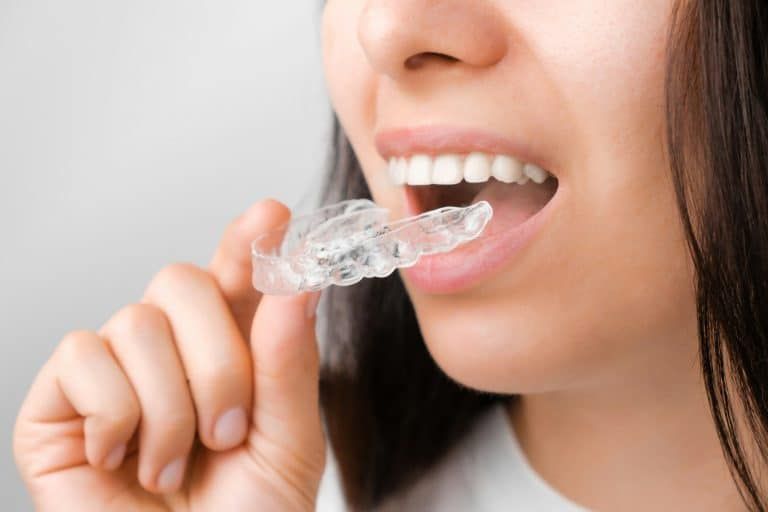
Are you dreaming of a straighter smile but dreading the thought of metal brackets and wires? You’re not alone. Many people in Hailey want to improve their teeth without the discomfort and appearance of traditional braces. Clear aligners offer a modern solution that fits seamlessly into your lifestyle while delivering the results you want. Clear […]
The post 7 Clear Aligners Advantages: Why They’re Better Than Traditional Braces appeared first on Smart Mouth Dentalcare.
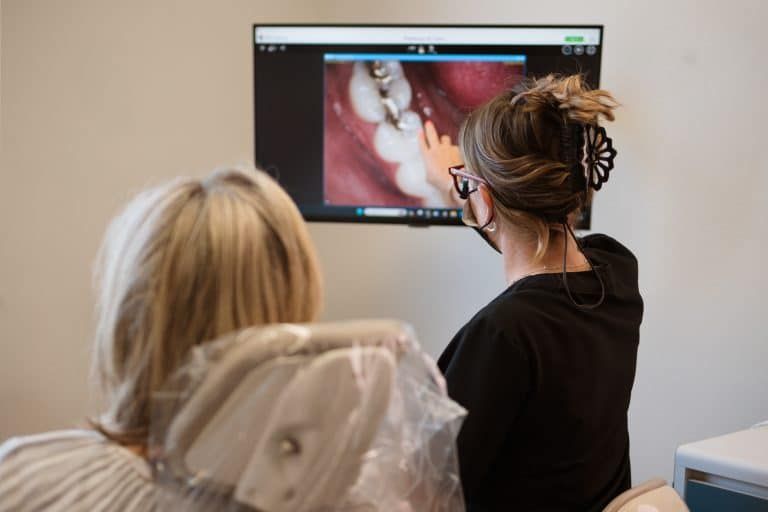
Does dental care feel out of reach for your family? You’re not alone. Many Twin Falls families worry about the cost of routine checkups, cleanings, and unexpected procedures. The good news is that affordable dental plans exist to help you protect your family’s smiles without breaking the bank. Whether you have insurance or not, there […]
The post 4 Affordable Dental Plans for Twin Falls Families appeared first on Smart Mouth Dentalcare.

As we age, taking care of our teeth becomes more important than ever. Many seniors in the Magic Valley area wonder if dental cleanings seniors receive are really necessary, especially if they brush and floss at home. The truth is that professional dental cleanings play a crucial role in maintaining both oral and overall health […]
The post Regular Dental Cleanings Help Seniors Maintain Healthy Smiles appeared first on Smart Mouth Dentalcare.
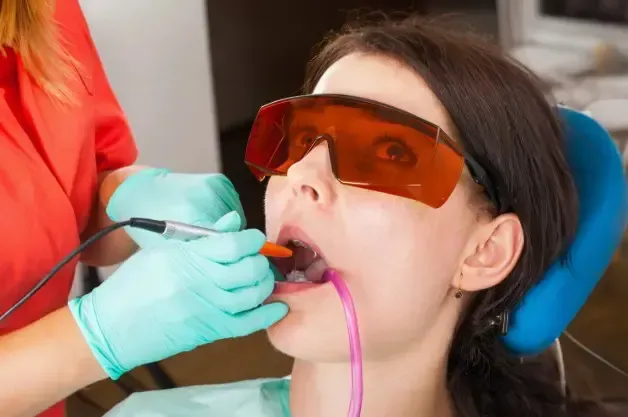
Dental care has come a long way from the days of loud drills and uncomfortable procedures. Today, laser dentistry innovations are making trips to the dentist easier and less stressful for patients near Elko and beyond. These advanced tools use focused light energy to treat various dental problems with greater precision and comfort. Whether you […]
The post Innovations in Laser Dentistry Are Transforming Smile Care near Elko appeared first on Smart Mouth Dentalcare.
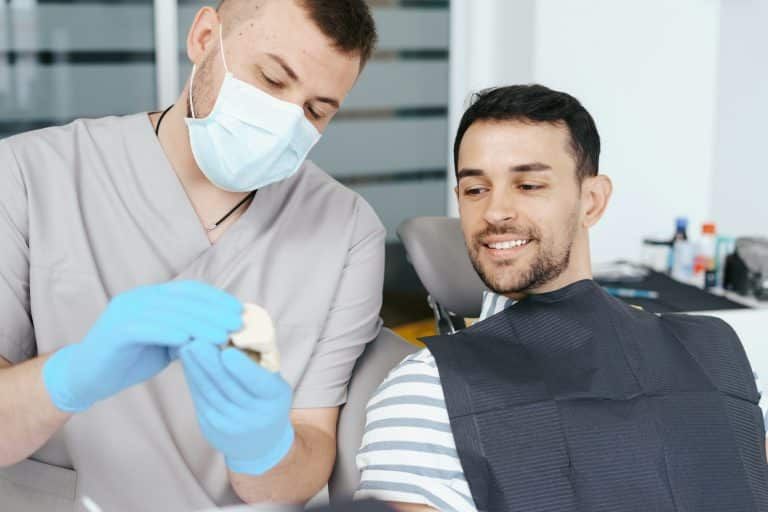
If you’re living in Hailey and considering tooth replacement options, understanding the process of getting dentures can help you make an informed decision about your oral health. Dentures are removable appliances that replace missing teeth and surrounding tissues. They help restore your ability to eat, speak clearly, and smile with confidence. Many people need dentures […]
The post Understanding the Process of Getting Dentures: A Complete Guide appeared first on Smart Mouth Dentalcare.